MY Gey Huertgenwald Porcini Mushroom Germany 30.10.26
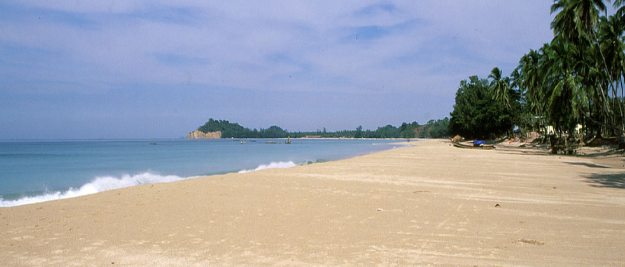
The much Fire burnt Gey Forest Huertgenwald is back on track, The Ngapali Beach is on, Comeing Soon 2027
Porcini mushrooms are quite rightly considered kings among edible mushrooms. With their strong, nutty aroma, firm flesh and, last but not least, their iconic appearance, they delight gourmets as much as passionate collectors.
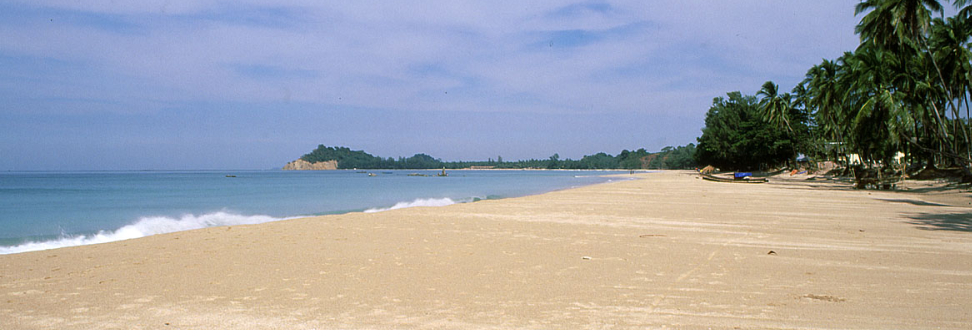
Happy to share with you soon in Myanmar and at Ngapali Beach Front the great Wild Porcini Mushrooms,– sure they will go best with Ngapali Beach / Nga Gentali / King Makrelle of Arrakan’s Ocean & King Mushrooms from Gey Forests.
,…… As since nearly 50 years I am at these autumn days in October usually at the Wild Forests of my home town / village,- GEY Huertgenwald ( famous by the August 2026 big forest fire which took over 500 acres of forest and my whole village with 1800 people was evacuated,,, lucky nothing happened to the village which dates back to the 15th century ). So also, this year I am in my forest, quiet, alone and free with best fresh air, freedom, peace and good, so chilly October weather near 5 degrees Celsius. Last week we had a great Golden October or Indian Summer and temperatures went up to 20 degrees, weeks before we got the rain which was missing for three months in spring time. Sure, a best Nature Combination to have the mushrooms grow in the forest.
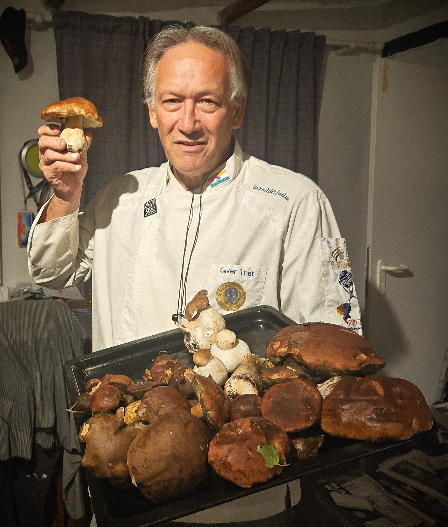
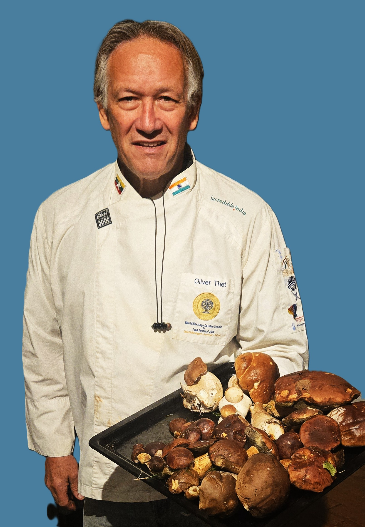
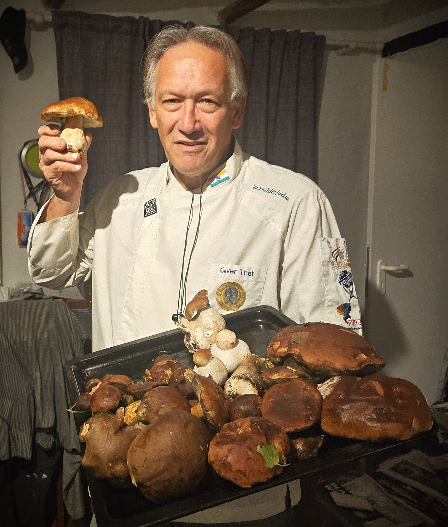
Within the first minutes through the forest I saw this will be a great Wild Mushroom day the 30.10.2026, wonderful King Boletus / Porcini or Stone Mushrooms I found instantly. So fast I had some good meals for Giacomo and Ma Khet Khet at home, collected…. Next days I will be back at the GEY Forest ( travel short to Munich to meet my Friend Bernie Hicker and Uta, both live at the most Northern part of Alaska @ the Brooks Range for over 40 years and I had been there 5 times in the 80 ties, with lowest temperature of minus – 52 Degree Celsius,….they are short in Germany so we meet up for 2 days. )
I love to cook Wild GEY Forest Porcini Mushrooms pure and natural
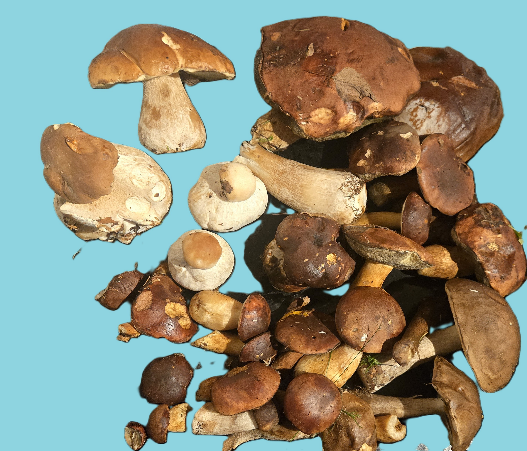
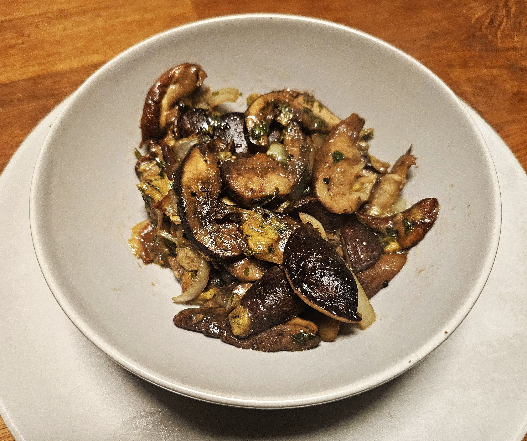
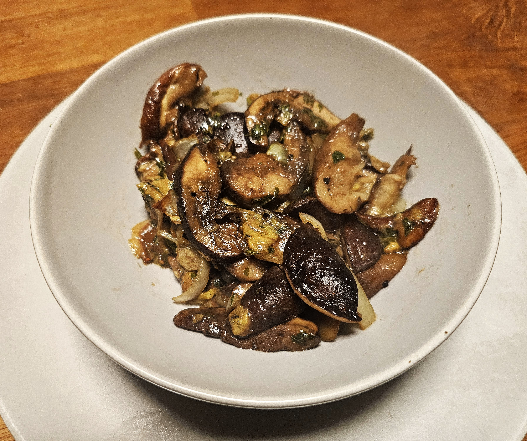
I love to cook the Porcini the Kings of Wild Mushrooms just in Butter, with Salt, Lemmon Pepper, chopped Parsley, some crushed Garlic cloves and last minute some fresh Lime Juice. It keeps the nutty flavor of the Porcinis and the wonderful Wild Forest flavor with best texture. Just some best Olive Oil baked Baguette – Finger Licking cleaning the pan with the Baguette. Or add some Cream or Cream Fraiche and reduce a bit great with potatoes, pasta. When I have much of them I air or solar dry them and use for any meat, vegetable, pasta dish, enhance a best aroma. Ma Khet Khet loves the dry Porcini slices to eat as snack, nutty and forest wild full of flavor,- Porcinis Next to None.
In 2025 I brought much of dry porcini mushrooms to Myanmar for Chefs as Ye Nanda Khin, Chef Alex and others for their high class Fine Dining cooking.
Happy to share with you soon in Myanmar and at Ngapali Beach Front the great Wild Porcini Mushrooms,– sure they will go best with Ngapali Beach / Nga Gentali / King Makrelle of Arrakan’s Ocean & King Mushrooms from Gey Forests.
See bellow all Info on the Best Mushrooms in the World, The Gey Forest Porcini Mushrooms,-
See YOU all soon again at Ngapali Beach Front in PEACE, SECURITY & PROSPERITY for all people there,- local Arrakan Community as well Foreign and Myanmar Tourist – Visitors alike. Ask for me and ask for Porcini Mushrooms with Butter Pan Fried King Makrele . Yours Oliver E Soe Thet – World Chefs Myanmar, MCA 30 Years Excellence 1996 / 1.11.26
Gey & Ngapali Beach Front – The Best Beach Resort in Myanmar, Since 1961
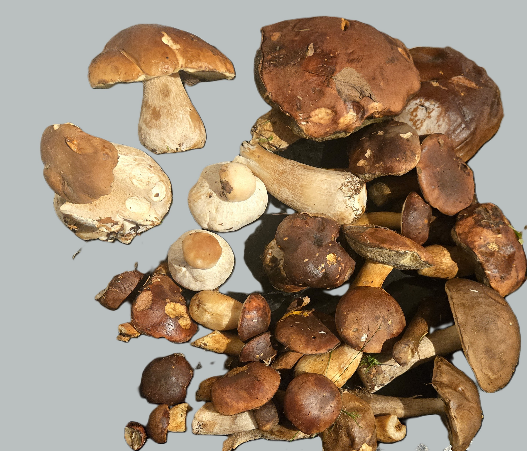
MY Best Wild Porcini & Maron Mushrooms @ My GEY Forest 30.10.26
A kg is at 90 to 120 Euro at Fresh Markets in Germany
Where do porcini mushrooms grow?
Porcini mushrooms prefer to grow in forests because, as mycorrhizal fungi, they are attached to certain trees. They can be found in coniferous and mixed forests alike. A suitable forest floor is important: usually rather acidic to neutral and sufficiently moist. However, porcini mushrooms avoid soils that are too dry or waterlogged.
Porcini mushrooms are less common outside of closed forests. Occasionally they grow on open forest edges or in parks with old trees, but the classic location is the quiet forest. They often stand in moss beds or leaf litter on the ground, not infrequently near roadsides or clearings where some light and warmth can reach. Open, sometimes sunny spots in the forest encourage this.
If you are specifically looking, pay attention to older forest areas with the tree species mentioned. It is particularly worthwhile to look out for warm rainy periods there.
Porcini mushroom profile
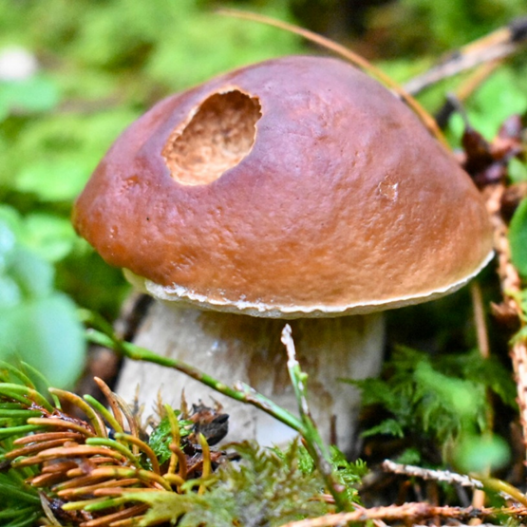
Scientific name: Bolet
us edulis (Common Porcini Mushroom), family Boletaceae (Boleteaceae)
Appearance:
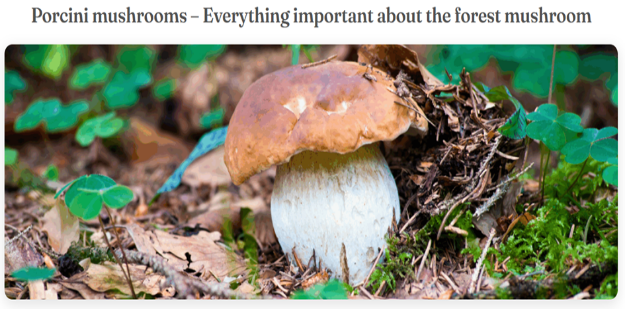
Brown hat, hemispherical when young, later cushion-shaped and up to 25 cm wide. On its underside it has white tubes which become yellowish-green with age as spores develop. The stem is thickly bulbous (up to ~10 cm at the base) with a light, coarsely net-like pattern on a brownish background. The meat is white, firm, and hardly discolors when cut.
Taste/Smell:
Mild and pleasantly nutty, no noticeable smell. Eatable raw, but usually enjoyed cooked.
Distribution: W
idespread in forests throughout the Northern Hemisphere (Europe, Asia, North America). It can also be found in parts of Australia and South America through its introduction.
Habitat:
Mycorrhizal fungus – lives in symbiosis with trees. Common in spruce trees (hence also „spruce porcini mushroom“), in deciduous forests also under oak, beech, chestnut, pine, etc. Mostly found in older mixed and coniferous forests.
Season:
Late summer to autumn (July/August to October). Depending on the weather, the first specimens can appear as early as May/June.
Edibility:
Excellent edible mushroom, firm flesh (hence the name „stone“ mushroom) and versatile uses (fresh, dried, fried, etc.). Not poisonous raw, but as with all wild mushrooms, cooking is recommended.
Porcini mushrooms all year round: Outside of the season, dried porcini mushrooms of organic quality are an alternative: fine slices, dried to preserve aromas, in packs of 20 g to 1 kg. The guide explains how to prepare dried mushrooms.
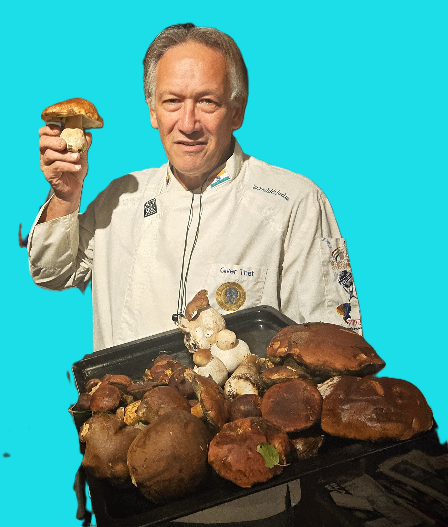
My Gey / Huertgenwald Forest Wild Porcini Mushrooms 30.10.26
These porcini mushroom species exist
The term porcini mushroom refers not only to a single type of mushroom, but to a group of closely related species within the tube fungi. In Europe, in addition to the common porcini mushroom, three other porcini mushroom species are primarily distinguished, all of which are edible and tasty. These species differ slightly from each other, primarily in appearance time, preferred habitat, and appearance:
Common porcini mushroom / spruce porcini mushroom (Boletus edulis)
The „classic“ porcini mushroom, as described above. Fructifies predominantly from July to October. It occurs throughout Europe, preferably in symbiosis with spruce (mountains) and oak and beech (lowlands).
Summer porcini mushroom (Boletus reticulatus)
appears earlier in the year, sometimes as early as May/June, especially in warm summers. Loves deciduous forests and often stands near oaks and beeches. The mushroom cap is usually somewhat lighter in color and often cracked/squared when dry.
Pine porcini mushroom (Boletus pinophilus)
It has a reddish-brown to chestnut-brown cap and grows predominantly in coniferous forests near pine trees. It is mainly published in late summer and autumn. Its aroma is considered particularly spicy.
Black-capped porcini mushroom / bronze bolete (Boletus aereus)
Recognizable by its very dark, almost black cap surface. It prefers warm regions and oak forests, is rare in Central Europe and hardly found in Germany, and is partly a nature reserve.
For mushroom pickers, it hardly matters which type of porcini mushroom you come across – all porcini mushrooms are edible and taste similar. The above species are often not commonly distinguished and are simply all referred to as porcini mushrooms. Differences are more readily apparent to mycologists in subtle characteristics and preferred tree partner.
Best Wild Porcini & Maron Mushrooms @ My GEY Forest 30.10.26
A kg is at 90 to 120 Euro at Fresh Markets in Germany
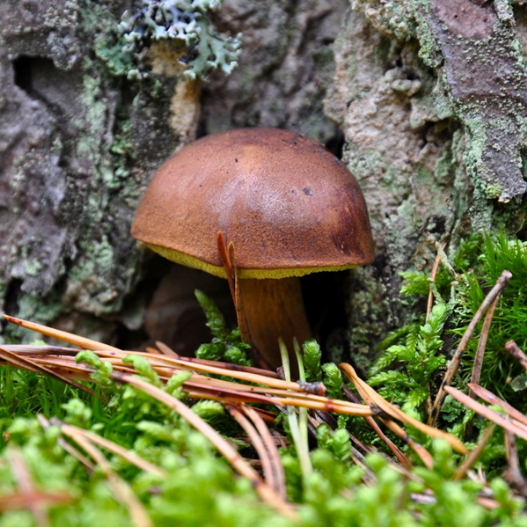
Porcini mushroom mix-up: Doppelganger and risk of confusion
A major advantage of porcini mushrooms is that there is no deadly poisonous mushroom that looks immediately and confusingly similar to them. Nevertheless, some doppelgangers exist that can irritate inexperienced collectors. The three most important are the inedible gall bolete (Tylopilus felleus), the poisonous Satan’s bolete (Rubroboletus satanas) and the edible chestnut bolete (Imleria badia).
Bile bolete (bitter bolete)
At first glance, it resembles the porcini mushroom, but is inedible. Its meat tastes extremely bitter (hence „bitterling“), which spoils any mushroom dish.
Characteristics: Cap color also brown, but often somewhat lighter or more mottled. The pores under the cap are initially whitish, turning pink in older specimens – this is a clear distinguishing feature. The stem of the biliary bolete is usually slimmer and shows a darker, coarser network, often with brownish or blackish veins. In addition, the biliary bolete emits an unpleasant odor, and the raw meat immediately tastes bitter on the tongue.
Tip: If in doubt, you can cost a small sample (lick the tip of your tongue at the interface) – a biliary bolete will taste bitter immediately. Important: You should only perform this taste test if you have clearly identified the fungus as a bolete and are certain that no life-threatening poisonous species are possible.
Marone bolete (Marone)
Also a popular edible mushroom and a close relative of the porcini mushroom. A mix-up isn’t a problem, as the Marone is edible and tasty – however, you might want to know who you have in the basket.
Characteristics: The chestnut bolete has a usually dark chocolate-brown cap, which is velvety-matte when dry and slimy-glossy after rain showers. The stem is thinner and more cylindrical than in porcini mushrooms and usually lacks a distinct network, more of a fine granular pattern, and is light brownish in color. Under the cap, the chestnut also has white to yellow-olive tubes, which, however, immediately turn blue when pressed (the flesh also turns blue when cut). This blue color is a typical characteristic of the Marone mushroom and is absent in the porcini mushroom. Furthermore, the significantly thinner stem of the marone often remains brownish inside, while the porcini mushroom stem remains white inside.
Satan’s bolete (poisonous)
The Satan’s bolete is the only one of the three where a mix-up really has consequences: raw, it is highly poisonous and causes severe gastrointestinal problems. Fortunately, on closer inspection, it can be easily distinguished from porcini mushrooms.
Features: The cap is strikingly light, often dirty white to greyish-beige, and therefore looks different from the rich brown porcini mushroom cap. The crucial warning signal, however, lies in the pores and stem: The tube openings are orange to blood red in color, and the bulbous stem bears a reddish network on a yellowish background in the middle area. The meat turns blue when pressed or cut. In contrast, a porcini mushroom never has red pores and never a red-etched stem, and its flesh does not blue.
Rule of thumb: Stay away from boletes with red pores. Anything that is orange, red or carmine red on the underside belongs in experienced hands and not in the pan without testing.
Risk of confusion: Always play it safe!
When in doubt, always check the underside and stem: A porcini mushroom has white to yellowish tubes (never pink or red), a white stem net on a light background, and flesh that is not blue. These characteristics serve as a guide and do not replace an expert assessment. Collect only mushrooms that you are undoubtedly familiar with, and if in doubt, leave any uncertain specimen. In cases of minimal uncertainty, a mushroom advisory center or mushroom expert from the DGfM can provide further assistance. Safety always comes first.
Our guide to edible mushrooms and their poisonous look-alikes provides a concise overview of the most important poisonous look-alikes of our edible mushrooms – from mushroom to porcini to chanterelle–.
Growing porcini mushrooms – is that possible?
Many mushroom enthusiasts wonder if it’s possible to grow porcini mushrooms in your own garden. This is not surprising, since the porcini mushroom is one of the most sought-after noble mushrooms ever. The short answer to this question, however, is: unfortunately not. Porcini mushrooms cannot be cultivated (reliably) because they require a special symbiosis with living trees.
Unlike mushrooms or oyster mushrooms, which can be grown at home on substrates such as straw, wood or soil, porcini mushrooms require exchange with the roots of a tree (mycorrhiza). Without this partner, the underground fungal network (mycelium) does form, but no fruiting body grows – the actual fungus therefore remains invisible.
Until now, porcini mushrooms are therefore considered pure wild mushrooms. Unfortunately, there are no successful breeding kits available on the market, and commercial porcini mushroom farms also do not exist, which explains the high market prices. Isolated attempts have been made to establish porcini mushroom mycelium on trees – for example by burying fungal material interspersed with spores under suitable trees (oaks, spruces) in the garden. With a lot of patience and luck, a porcini mushroom might appear after a few years. However, cultivating porcini mushrooms in one’s own bed is currently practically impossible.
Those who still want the strong porcini mushroom flavor in their kitchen all year round are best off using dried organic porcini mushrooms. They retain their full nutty aroma, last for months, and give soups, sauces, and risotto a deep mushroom note – completely without searching in the forest.
Hunting for fresh porcini mushrooms is therefore limited to the forest or the weekly market. This makes the sought-after premium mushrooms rare, but also a real highlight in the kitchen.
Welcome to Ngapali Beach Front 2027 @ Peace, Freedom, Prosperity to all People in Myanmar 2027